Ellis Wagner · 10 September 2026
Navigating Resource Redistribution in Platform Evolution Scenarios
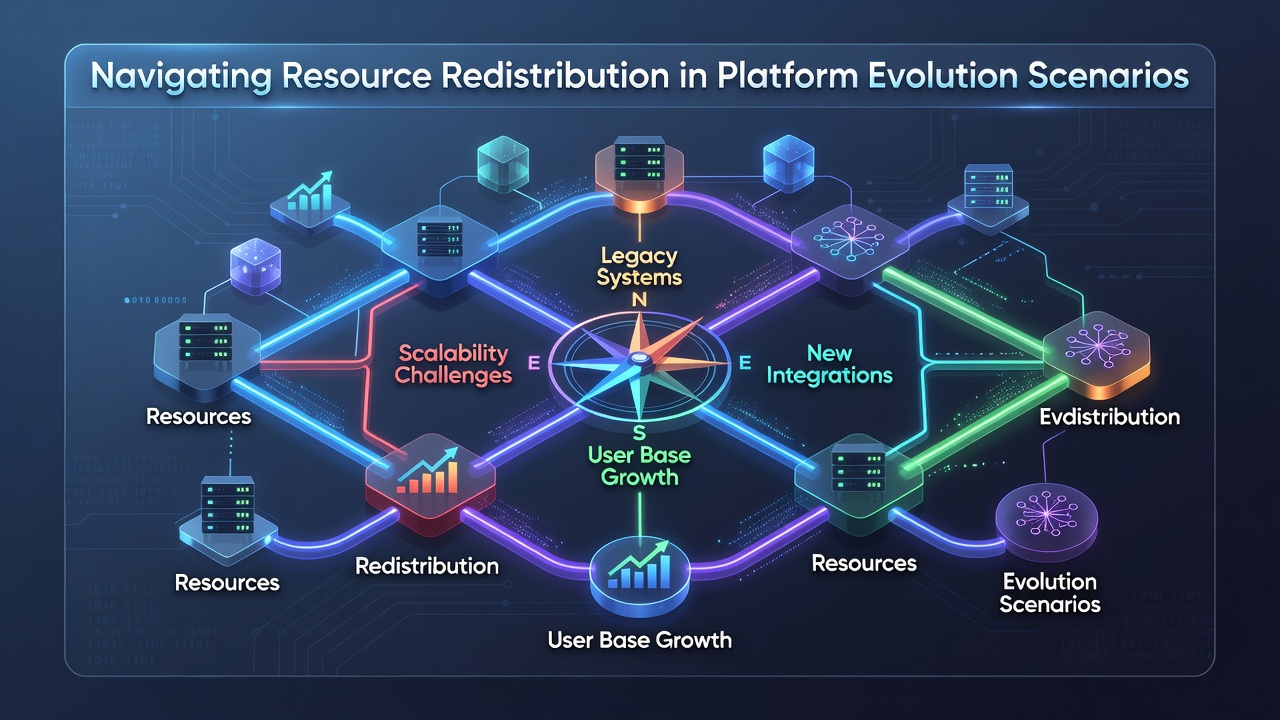
Platform evolution scenarios arise when digital systems such as cloud services, marketplace infrastructures, and enterprise software undergo structural changes that require reallocation of compute capacity, storage allocation, and network bandwidth among users and applications, and observers note that these shifts often coincide with growth phases or regulatory updates that alter how resources get distributed across the ecosystem.
Core Mechanisms Driving Redistribution
Resource redistribution occurs through automated orchestration tools that monitor usage patterns and reassign capacity based on demand signals, while algorithms adjust quotas in real time to prevent bottlenecks during migration events or feature rollouts, and data from industry reports shows that platforms typically employ tiered priority systems to balance legacy workloads against new service demands. Experts have observed that this process relies on containerization technologies and virtualization layers which allow granular control over individual resource units without disrupting overall uptime, yet the transition periods demand careful synchronization between old and new allocation schemas to avoid temporary imbalances that affect performance metrics.
Technical Frameworks in Use
Modern platforms integrate orchestration platforms like Kubernetes derivatives alongside custom schedulers that evaluate historical consumption data before executing redistribution commands, and these systems often incorporate predictive models trained on multi-year telemetry sets to forecast where capacity needs will concentrate after an evolution event. Researchers discovered that combining machine learning forecasts with rule-based thresholds produces more stable outcomes than either approach alone, while geographic distribution of data centers adds another layer of complexity because latency requirements and regional compliance rules influence how resources move between zones during platform updates.
Regulatory and Operational Influences
In September 2026 the European Commission released updated guidelines on digital infrastructure resilience that directly address resource allocation transparency during platform changes, and these directives require operators to document redistribution decisions when they affect service levels for downstream users. Platforms operating across multiple jurisdictions must therefore align their internal policies with varying standards from bodies such as the Australian Competition and Consumer Commission and Canadian federal digital service frameworks, which creates layered compliance obligations that shape how resources are reassigned in practice. Observers note that failure to maintain audit trails during these transitions has led to enforcement actions in several documented cases across different regions.
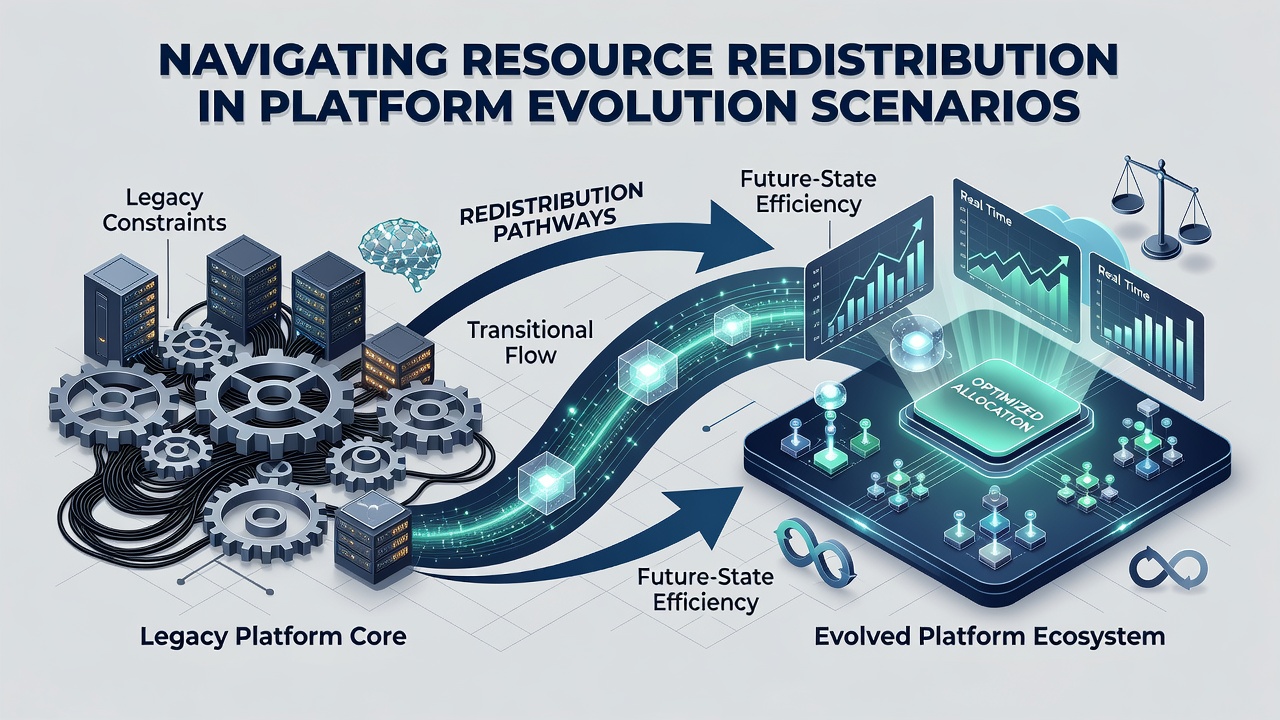
One study from a North American research consortium revealed that platforms incorporating stakeholder notification protocols before major resource shifts experienced fewer service disruptions, while those relying solely on automated triggers encountered higher rates of user complaints during transition windows. The reality is that coordination between engineering teams and compliance officers becomes essential because redistribution decisions now carry both technical and legal weight under emerging data sovereignty requirements.
Implementation Strategies Observed Across Sectors
Enterprises navigating these scenarios frequently adopt phased rollout approaches that begin with non-critical workloads before extending changes to production environments, and this staged method allows teams to validate allocation logic under controlled conditions. Data indicates that organizations using simulation environments to test redistribution scripts prior to live deployment reduce error rates significantly compared with direct production changes, whereas platforms that skip simulation steps report elevated rollback frequencies. What's interesting is how cross-functional review boards have emerged as a common governance mechanism, bringing together infrastructure, finance, and legal perspectives to evaluate proposed resource shifts before they execute.
Case examples from logistics platforms show that integrating customer usage forecasts into the redistribution engine helped maintain service parity across regions during a major architecture overhaul, and similar patterns appear in financial services where transaction volume spikes require dynamic rebalancing of processing nodes. Those who've studied these transitions know that maintaining backward compatibility for older application programming interfaces often constrains how aggressively resources can be consolidated, creating trade-offs between efficiency gains and support continuity.
Conclusion
Platform evolution continues to require deliberate navigation of resource redistribution processes that balance technical efficiency, regulatory compliance, and operational continuity, and the frameworks developed in response to these demands now incorporate predictive analytics, staged testing, and multi-jurisdictional oversight as standard components. Evidence from recent regulatory updates and industry analyses suggests that successful navigation depends on transparent documentation combined with adaptive technical controls that respond to both usage patterns and external policy shifts.